Message Sent!
Thanks for reaching out. We’ll get back to you at your email address shortly.
What is an IPTV Encoder? A Complete Guide to Technology, Setup & Best Services
In 2026, the IPTV industry continues to revolutionize how we consume media, with the IPTV encoder playing a pivotal role in this transformation. An IPTV encoder is crucial for converting traditional broadcast signals into digital formats suitable for streaming over the internet. As more viewers demand high-quality, reliable streams, understanding the intricacies of IPTV encoders becomes essential for broadcasters and enthusiasts alike.
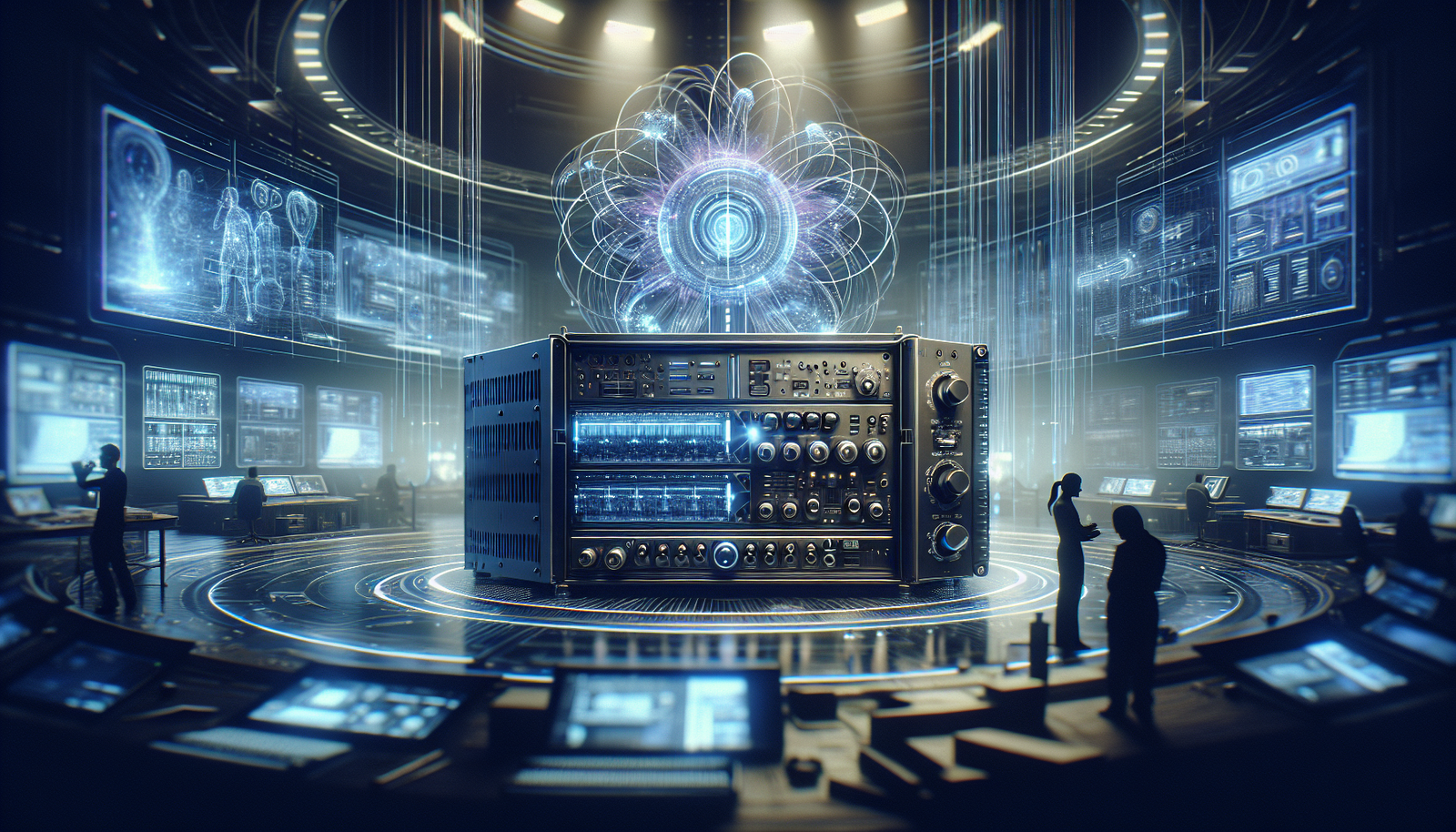
Understanding the IPTV Encoder: The Core Technology
How an IPTV Encoder Converts Signals for Streaming
An IPTV encoder is designed to take audio and video signals and convert them into a digital format that can be streamed across the internet. This process involves compressing the signals using specific codecs and packaging them into a format like HLS or MPEG-TS, which are compatible with most IPTV players. The efficiency of this conversion process directly impacts stream quality and latency.
Key Technical Specifications: Bitrate, Resolution & Codecs
When choosing an IPTV encoder, it is critical to consider the bitrate, resolution, and codecs. Bitrate affects the quality and size of the stream; higher bitrates provide better quality but require more bandwidth. Resolution determines the clarity of the video, with most modern encoders supporting up to 4K. Popular codecs include H.264 and H.265, which offer efficient compression without significant loss of quality.
Hardware vs. Software Encoders: Pros and Cons
Hardware encoders are dedicated devices that offer high performance and reliability, making them suitable for live broadcasting. They are often preferred for professional setups due to their ability to handle multiple streams simultaneously. Software encoders, on the other hand, are more flexible and cost-effective, running on PCs or servers. They are ideal for smaller operations or for those who require frequent updates and changes to their encoding settings.
Step-by-Step IPTV Setup Guide with Your Encoder
Essential Equipment for a Professional IPTV Setup
Setting up an IPTV system requires a few essential components: a reliable IPTV encoder, a robust internet connection, and a compatible IPTV player. Additionally, you may need a server for hosting your streams, especially if you aim to reach a large audience. High-quality cameras and microphones are also essential for capturing content at its best.
Configuring Your Encoder for Optimal Stream Quality
To achieve the best results, configure your IPTV encoder with the right settings for bitrate, resolution, and codecs based on your audience’s needs and available bandwidth. Test different configurations to find the optimal balance between quality and performance. Regular monitoring and adjustments may be necessary to maintain stream stability.
Integrating Your Encoder with an IPTV Player or Middleware
Once your encoder is configured, integrate it with your chosen IPTV player or middleware. This integration ensures that your streams are accessible and viewable on various devices, from Smart TVs to smartphones. Middleware can help manage content distribution, user authentication, and provide analytics to enhance viewer experience.
Choosing the Best IPTV Service for Your Encoded Streams
What to Look for in a Reliable IPTV Subscription Service
When selecting an IPTV subscription service, consider factors such as channel variety, stream quality, customer support, and device compatibility. A service offering a diverse range of channels in high definition, coupled with responsive customer service, is ideal for a seamless viewing experience.
Comparing Managed Services vs. DIY IPTV Platforms
Managed IPTV services handle everything from encoding to distribution, offering convenience and reliability. They are suited for those who prefer a turnkey solution. DIY platforms, however, provide more control and customization, allowing users to tailor their streaming solution to specific needs but require more technical expertise.
Why Free IPTV Services Often Fail with Professional Encoders
While free IPTV services may seem attractive, they often suffer from reliability issues and limited support for professional-grade encoders. These services can experience frequent downtime, buffering, and lower quality streams, making them unsuitable for serious broadcasters seeking consistency and quality.
Optimizing Your IPTV System for End-Viewers
Ensuring Compatibility with Popular IPTV Players
To ensure a broad audience can access your streams, verify that your IPTV encoder outputs formats compatible with popular IPTV players. Supporting a wide range of devices, including Smart TVs, tablets, and mobile phones, enhances accessibility and viewer satisfaction.
Maintaining Stream Stability and Reducing Buffering
Stream stability is crucial for viewer retention. Regularly monitor network performance and optimize your encoder settings to reduce buffering and latency. Implementing Content Delivery Networks (CDNs) can also help distribute content more effectively, improving load times and stream reliability.
Security Best Practices for Your IPTV Channel
Protecting your IPTV stream from unauthorized access is essential. Use encryption, secure your network with firewalls, and implement access controls to safeguard your content. Regularly update your system and encoder software to patch vulnerabilities and maintain security.
FAQs
Do I need a special IPTV encoder to use a subscription service?
No, most consumer IPTV subscription services provide pre-encoded streams. A dedicated encoder is typically for broadcasters, businesses, or advanced users creating and distributing their own live TV channels over the internet.
Can I use a software encoder for free IPTV streaming?
Yes, there are free and open-source software encoders available. However, for stable, high-quality public streaming, robust hardware or professional software is recommended. Free IPTV services often use such encoders, but their public streams can be unreliable.
What is the most important factor when choosing an IPTV encoder?
The output compatibility and reliability are paramount. Your encoder must output a stream format (like HLS or MPEG-TS) and use codecs (like H.264/265) that are supported by your target IPTV player and delivery platform. Consistent uptime and low latency are also critical.
How does an encoder differ from an IPTV player?
An encoder is the starting point: it captures and converts audio/video into a digital stream for internet distribution. An IPTV player is the end point: it’s the application or device (like an app on your phone or Smart TV) that receives and plays that stream for the viewer.
In conclusion, mastering the use of an IPTV encoder is vital for anyone looking to deliver high-quality streaming content in 2026. Whether you’re a broadcaster, a business, or an IPTV enthusiast, understanding how to set up, optimize, and secure your IPTV system ensures a superior viewing experience. Choose the best IPTV service that complements your encoder capabilities and meets your audience’s needs to stay competitive in the evolving digital landscape.
Frequently Asked Questions
Do I need a special IPTV encoder to use a subscription service?
No, most consumer IPTV subscription services provide pre-encoded streams. A dedicated encoder is typically for broadcasters, businesses, or advanced users creating and distributing their own live TV channels over the internet.
Can I use a software encoder for free IPTV streaming?
Yes, there are free and open-source software encoders available. However, for stable, high-quality public streaming, robust hardware or professional software is recommended. Free IPTV services often use such encoders, but their public streams can be unreliable.
What is the most important factor when choosing an IPTV encoder?
The output compatibility and reliability are paramount. Your encoder must output a stream format (like HLS or MPEG-TS) and use codecs (like H.264/265) that are supported by your target IPTV player and delivery platform. Consistent uptime and low latency are also critical.
How does an encoder differ from an IPTV player?
An encoder is the starting point: it captures and converts audio/video into a digital stream for internet distribution. An IPTV player is the end point: it’s the application or device (like an app on your phone or Smart TV) that receives and plays that stream for the viewer.
For official device setup help related to iptv encoder, visit Amazon Fire TV support.
Ready to experience the best iptv encoder service?
44,000+ live channels · 100,000+ movies · 4K Ultra HD · 24/7 support
Try Our Services →